Will a Lift Kit Improve Fuel Economy or Cost You More?
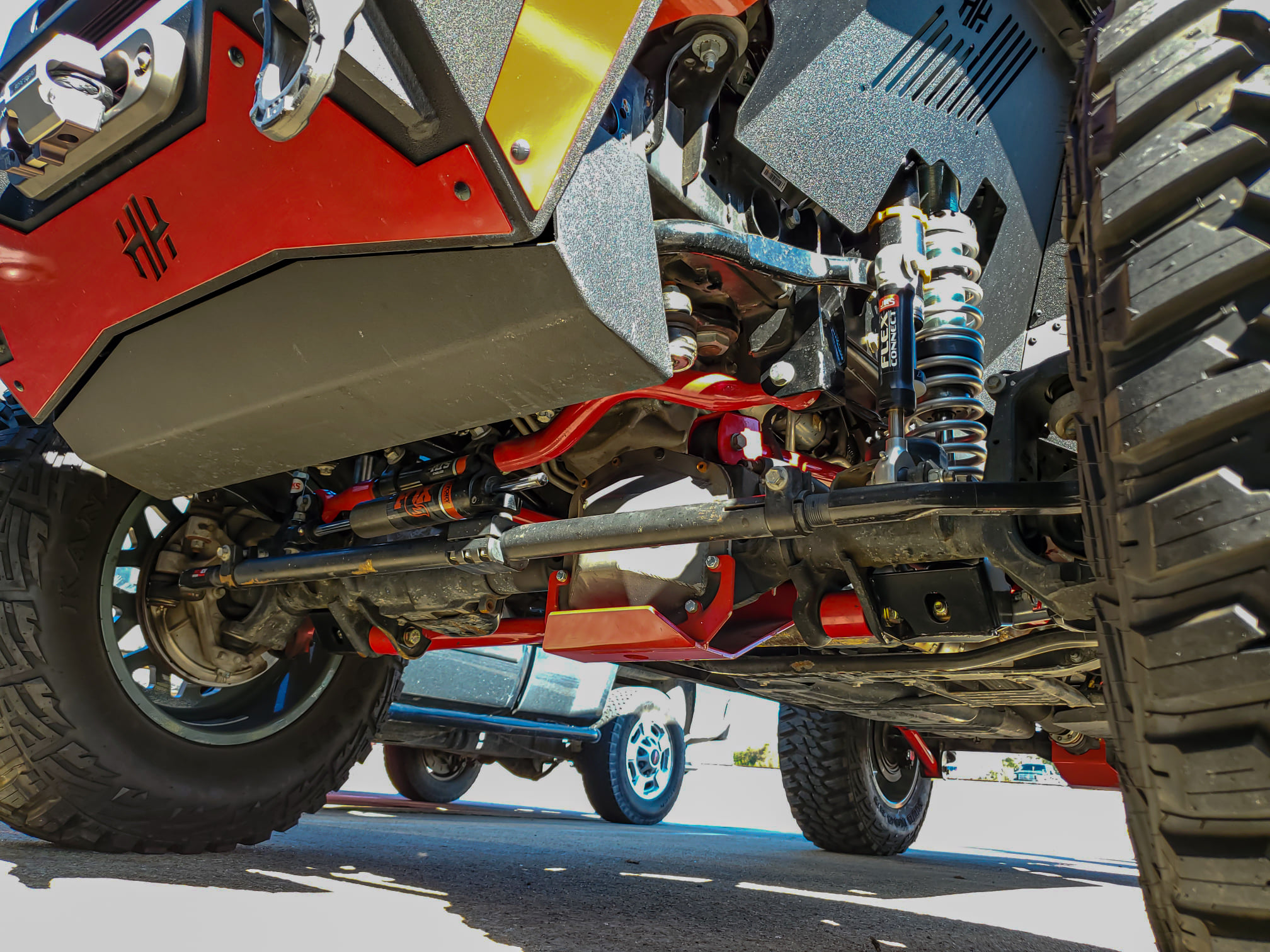
Lift kits are one of the most popular truck upgrades. They change stance, increase ground clearance, and allow for larger tires. But beyond appearance and performance, many truck owners ask a practical question: will installing a lift kit improve fuel economy, or will it cost more at the pump?
In reality, fuel economy is directly affected by changes to ride height, tire size, weight, and aerodynamics. For drivers in Webster, Texas, where trucks often serve as daily commuters and weekend vehicles, understanding the financial trade-offs matters.
The Short Answer: Do Lift Kits Improve Gas Mileage?
In most cases, a lift kit does not improve fuel economy. It typically reduces it slightly.
Raising a truck changes its aerodynamics and often leads to installing heavier, larger tires. Both of these factors increase fuel consumption. While the change may not be dramatic for smaller lifts, it is noticeable over time.
The real question is not whether fuel economy changes, but by how much and why.
Why Lift Kits Affect Fuel Economy
Fuel efficiency is influenced by several mechanical and physical factors. A lift kit changes multiple variables at once.
Increased Aerodynamic Drag
When a truck sits higher, more air flows underneath the vehicle. This increases drag, especially at highway speeds. More drag means the engine must work harder, which increases fuel use.
Larger Tires
Many lift kits are paired with oversized all-terrain or mud-terrain tires. Larger tires:
Weigh more
Increase rolling resistance
Require more power to rotate
Heavier tires alone can reduce miles per gallon.
Added Weight
Suspension components, steel bumpers, and larger wheels increase total vehicle weight. Increased weight reduces efficiency, particularly during stop-and-go driving in Webster, Texas traffic.
Comparing Fuel Economy Before and After a Lift
To better understand the impact, consider a practical comparison.
These numbers vary depending on driving habits and vehicle type, but most truck owners experience some reduction.
When the Fuel Economy Impact Is Minimal
Not all lift kits cause major fuel penalties. Certain setups reduce the impact.
Smaller leveling kits or mild 2-inch lifts paired with properly sized tires often result in minimal fuel changes. Maintaining factory tire width and avoiding excessively heavy wheels can also limit fuel loss.
For truck owners in Webster, Texas who prioritize both appearance and daily driving practicality, moderate setups provide balance.
The Long-Term Fuel Cost Calculation
It’s helpful to think about fuel economy in terms of annual cost rather than miles per gallon alone.
For example:
A 2 MPG decrease
Driving 15,000 miles per year
Gas averaging $3.50 per gallon
That small MPG drop could cost several hundred dollars more per year in fuel.
Over five years, that adds up. While not overwhelming for many owners, it’s a factor worth considering before installing a lift kit.
Step-by-Step: How to Estimate Your Fuel Impact
If you’re considering a lift kit in Webster, Texas, follow this process to estimate fuel changes.
Check Your Current MPG
Know your true average fuel economy before modifications.Estimate Tire Size Increase
Larger diameter and wider tires increase rolling resistance.Consider Driving Habits
Highway speeds amplify aerodynamic drag.Calculate Annual Mileage
Multiply potential MPG loss by total yearly miles.Factor in Gas Prices
Rising fuel prices increase the long-term impact.
This approach gives you a realistic expectation instead of guessing.
Does a Lift Kit Offer Financial Benefits?
While lift kits may increase fuel costs slightly, they offer value in other areas.
Potential benefits include:
Increased ground clearance
Improved off-road capability
Enhanced towing stability (with proper setup)
Stronger resale appeal in the local truck market
In Webster, Texas, lifted trucks are highly popular. A well-installed lift may increase desirability even if fuel economy decreases slightly.
Can You Offset the Fuel Penalty?
There are ways to reduce the fuel impact of a lift kit.
Choose lighter wheels
Avoid overly wide tires
Maintain proper tire pressure
Keep alignments precise
Avoid aggressive driving habits
Proper setup and maintenance play a major role in minimizing efficiency loss.
Frequently Asked Questions
Will a leveling kit affect fuel economy?
A small leveling kit typically has minimal impact compared to a full suspension lift.
Do larger tires always reduce MPG?
In most cases, yes. Larger and heavier tires increase rolling resistance.
Does re-gearing improve fuel economy after a lift?
Re-gearing can restore performance and drivability, but it does not always fully recover lost MPG.
Is a lift kit worth it despite fuel cost increases?
For many truck owners, the performance and appearance benefits outweigh modest fuel changes.
How much MPG do most drivers lose?
Most drivers report losing between 1–3 MPG depending on lift size and tire choice.
Final Thoughts
Lift kits rarely improve fuel economy. In most cases, they reduce it slightly due to increased drag, heavier tires, and added weight. For truck owners in Webster, Texas, the average MPG drop is manageable but should be factored into long-term budgeting.
The decision ultimately depends on your priorities. If enhanced appearance, ground clearance, and capability matter more than small fuel changes, a lift kit can still be a worthwhile upgrade.
For drivers evaluating lift options and their long-term impact, Benchmark Customs helps truck owners in Webster, Texas choose setups that balance performance, aesthetics, and practical costs.
